
 NOW SERVING SAN DIEGO & SURROUNDING AREAS



Main Points
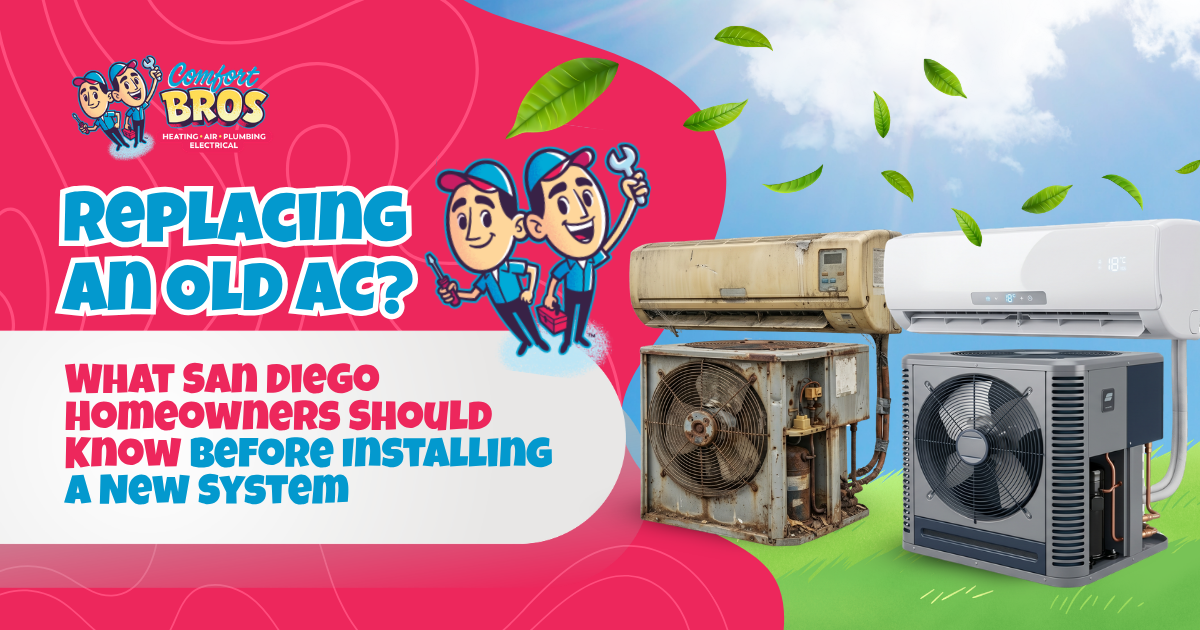
- You should typically replace AC systems that are 10 to 15 years old or require costly repairs.
- Unexpectedly high energy bills, leaks, and strange noises are signs that your AC may need to be replaced.
- Homeowners should consider system size, ductwork, and overall performance when replacing an old air conditioner.
Summer temperatures in San Diego vary depending on whether you live inland or near the coast. No matter where you live, it’s important to know when replacing an old AC is the best choice for your household. The experienced HVAC professionals at Comfort Bros have created this AC replacement guide to help you determine when it’s better to replace your old AC than pay for repairs.
Should You Replace an Old AC or Keep Repairing It?
If you’re considering a new AC system for your home in San Diego County, start with the age of your current system. Systems that are over 10 to 15 years old are nearing the end of their lifespan and may need to be replaced for optimum performance and energy efficiency. Another reason for old AC replacement is the frequency and cost of repairs. Extensive or recurring repairs costing 30% to 50% of a new system’s price should prompt a full replacement.
Signs Your Old AC May Need to Be Replaced
Homeowners who aren’t sure when to replace an air conditioner should look for these signs you may need a new AC:
- Your monthly energy bills skyrocket even though usage hasn’t changed.
- You notice common old air conditioner problems like leaks, strange noises, or foul odors.
- A serious drop in performance affects your comfort, even after receiving professional repairs.
- You experience frequent, recurring breakdowns.
What to Know Before Installing a New AC System
Once you answer, “Should I replace my AC?” there are several things to consider before installing a new system. Factors such as proper sizing, ductwork, and overall performance are vital to ensuring you receive the best system for your home.
Your new AC needs to be properly sized
One of the most important air conditioner replacement tips is to make sure you get a properly sized system based on your home’s square footage and layout, and on the heat-generating appliances you use. Undersized systems can’t keep up with demand and may break down more often, while oversized systems can short-cycle and require frequent repairs.
Your ductwork may affect the new system
You may not need to replace your ductwork when you get a new system, but leaking or improperly sized air ducts should be replaced. When your existing ductwork leaks, is damaged, or is the wrong size, it can’t deliver treated air to your home effectively.
Efficiency ratings matter, but so does real-world performance
A new, energy-efficient AC system can save you a significant amount on cooling costs, but real-world performance is just as important. Look for systems that feature variable-speed compressors, specialized dehumidification to keep indoor air comfortable, and modern programmable thermostats for optimum performance you can count on.
What Type of AC System Should San Diego Homeowners Consider?
Whether you’re replacing a central air conditioner, a heat pump, or another system, San Diego homeowners should consider the following options:
- Central air conditioners: Still the most common AC system found in San Diego homes, central air conditioners provide reliable whole-home cooling using a network of air ducts, an indoor air handler, and an outdoor condenser.
- Ductless mini-splits: These compact, energy-saving systems provide zoned temperature control and don’t require ductwork to cool or heat your home.
- Heat pumps: A heat pump provides energy-efficient heating and cooling in a single unit and requires an air duct network to deliver treated air to different rooms.
When Is the Best Time to Replace an Old AC in San Diego?
The best time to replace an old AC in San Diego is between March and May or between October and November, when demand is lower. Since most air conditioners last between 10 and 15 years, age is a good indicator of when to consider a replacement. Cooling bills are higher with an old AC because older systems accumulate dust, start to leak refrigerant, and have worn-out components, all of which affect airflow and efficiency.
How to Prepare for a New AC Installation
Installing a new air conditioner typically takes between four and eight hours to complete, but it may take longer depending on the system type, whether new ductwork is needed, and other factors. To prepare for a new AC installation, clear a path at least two feet wide to the indoor unit and outdoor condenser. Remove all clutter to provide easy, safe access for HVAC technicians, and ensure your electrical panel is clearly labeled and accessible. It’s also important to prepare your household for installation day, as your home may be without power for several hours while technicians disconnect the old unit and reconnect the new one.
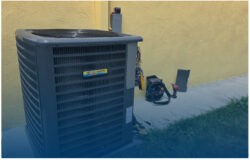
Let Comfort Bros Help With Your Next AC Replacement
If your San Diego area home has an old air conditioner, the experts at Comfort Bros are available to help you select the best new system for your needs. Whether you’d like an estimate for a new AC or you’re ready to schedule your replacement, contact us today to get started!
Frequently Asked Questions
What size air conditioner do I need for my house?
The right size AC for your house depends on factors such as total square footage, layout, and insulation. Household size, whether your home faces east or west, and overall use of heat-generating appliances can also impact AC sizing.
Why does my old AC run all day but not cool the house?
If your old AC runs all day but doesn’t cool your house, it may have a refrigerant leak or restricted airflow. Other causes include frozen evaporator coils or a dirty or malfunctioning outdoor compressor.
What should I ask before replacing my air conditioner?
Before you replace your air conditioner, ask whether you need new ductwork, which system size is best, and what options fit your budget. It’s also important to ask about any additional features your new system offers, such as variable-speed compressors and advanced filtration.