
 NOW SERVING SAN DIEGO & SURROUNDING AREAS




What to Know
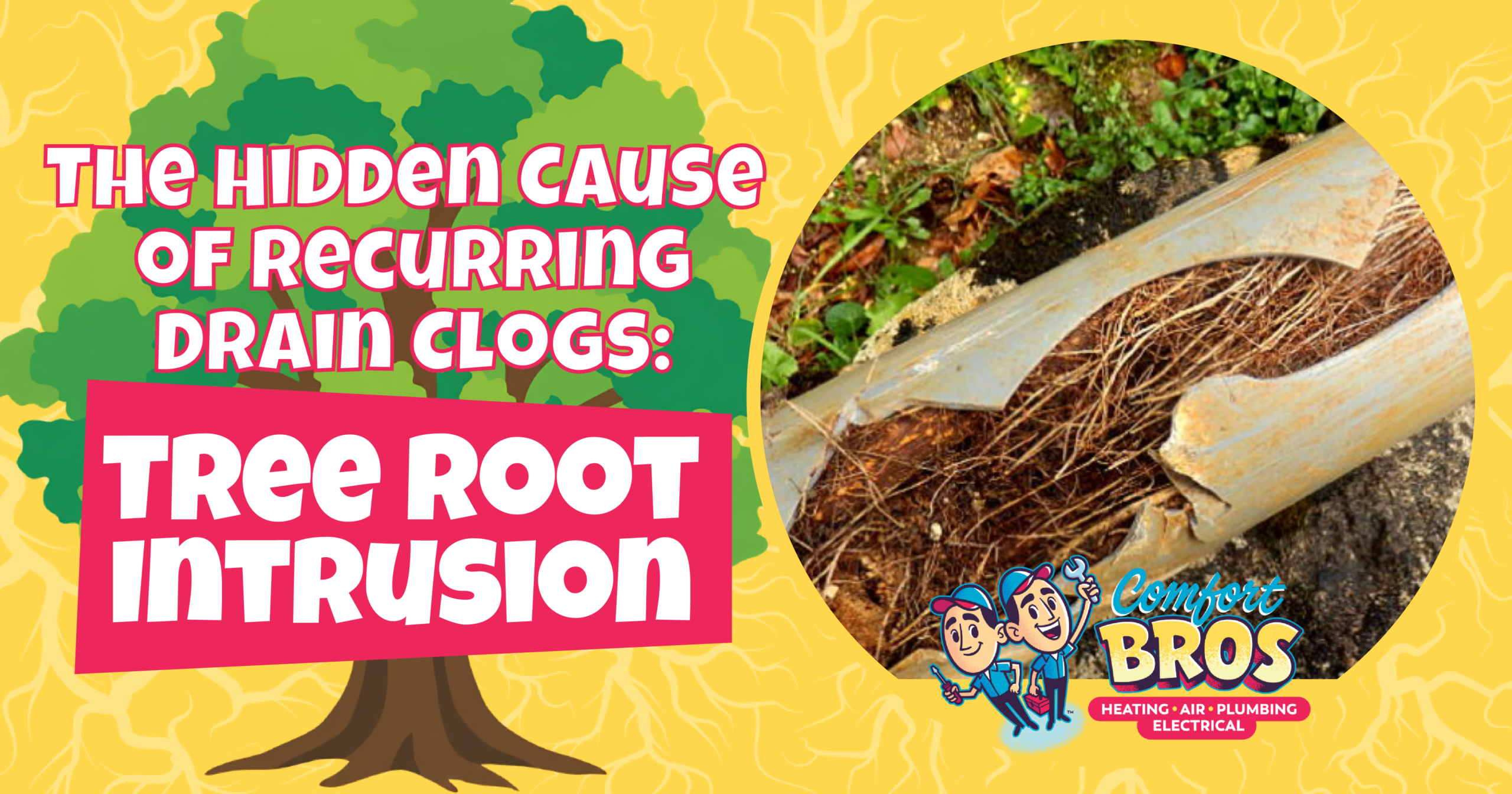
- Tree roots in sewer line pipes are one of the most common reasons a drain clog keeps coming back, even after it’s been cleared.
- Roots slip into a pipe’s crack or loose joint that’s already there.
- Clearing the roots usually gets the water moving again fast, but it doesn’t fix the damaged pipe underneath.
- A sewer camera inspection can confirm root damage and show what fix makes sense.
Tree roots in sewer line pipes are the most common cause of recurring drain clogs. Roots grow into an existing crack or loose joint, and until that crack is repaired, the same drain clogs again. In San Diego County homes with older clay or cast-iron lines, this repeating pattern is one of the clearest signs of root intrusion.
Why Does the Same Drain Clog Keep Coming Back?
A single drain clog is usually local, which means the blockage is only in that drain’s pipe — like hair in a bathroom sink or grease in a kitchen line. Once you clear a local clog, it’s done.
But if you’re asking, ‘why do my drains keep clogging after I clear them’, the answer is that a plumbing snake or auger only clears what’s sitting in the pipe that day. If roots are growing in your main line, the same clogging issue soon returns.
How Do Roots Get Inside an Underground Sewer Pipe?
Roots chase water and nutrients, and a sewer line is just what they like. The moment a root finds a hairline crack or loose joint, it pushes through and keeps growing. Older clay and cast-iron lines, common across established San Diego County neighborhoods, have more joints and more chances for roots to get their start. The City of San Diego’s maintenance guidance lists tree roots as a routine cause of water and sewer line problems.
What Are the Warning Signs of Root Intrusion?
Some signs of tree roots in sewer line pipes look a lot like the signs of an everyday clog. Noticing a larger pattern is important to figure out what’s really going on.
Drains that repeatedly slow down
One drain, cleared and then slow again within a few weeks, is often the first sign of tree roots clogging drain lines.
More than one fixture is affected
Multiple drains clogged at once usually points to the main line they all share, not any one fixture’s trap.
Toilets or drains make gurgling sounds
Gurgling means air is trapped somewhere, and trapped air often means something is partially blocking the line further down.
Water backs up through a lower fixture
If you flush the toilet and see water rise elsewhere, like in a shower drain, that’s wastewater looking for another way out.
Sewage odors appear indoors or outside
A crack that lets roots in can also let gas escape. If you notice a sewage smell in the yard or the house, it’s worth acting on.
The problem becomes more frequent
Clogs that used to show up once a year and now hit every few weeks usually mean the root mass is growing, not shrinking.
Could It Still Be a Normal Household Clog?
A single slow drain usually points to a local clog. Garbage disposals cause their own clog pattern, so rule that out first. Sewer line blockage symptoms are broader, and you’ll probably see multiple clogged drains, gurgling, or strange odors if a shared sewer line is involved.
What Can You Safely Check Before Calling a Plumber?
Before you call Comfort Bros, note which fixtures are affected. Skip chemical drain cleaners because they rarely reach roots, and DIY drain cleaning can cause more damage to pipes, especially older ones.
How Does a Plumber Confirm That Roots Are the Problem?
A sewer camera inspection shows where roots entered, how large the blockage is, and whether the pipe is cracked, shifted, or still sound. That helps our plumbers choose the next best step for your situation.
Can Tree Roots Be Removed Without Replacing the Sewer Line?
If you’re wondering how to remove tree roots from sewer line pipes, hydro jetting tree roots out with high-pressure water or cutting them mechanically are the two most common starting points. Either is standard professional drain cleaning work, and restores water flow fast. What it doesn’t do is seal the crack the roots grew through — so unless that gets addressed, before long, roots tend to find their way back in. The National Association of Sewer Service Companies (NASSCO) notes that cutting roots out mechanically without sealing the entry point can lead to faster regrowth.
When Does a Root-Damaged Sewer Line Need Repair or Replacement?
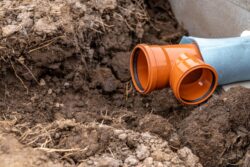
If the camera shows a hairline crack in an otherwise sound pipe, a targeted plumbing repair or trenchless lining can often solve the issue without digging up your yard. But if the line is old or cracked in more than one spot, sewer line repair isn’t a permanent solution, and full replacement may be the better option.
What Happens If You Ignore Repeated Sewer Clogs?
A tree root-damaged sewer line doesn’t get better by itself. Cracks widen, more roots move in, and a slow drain can turn into a full house backup or a soggy patch in the yard. A routine plumbing inspection catches small cracks before repairs get this invasive.
How Comfort Bros Can Help Diagnose a Recurring Sewer Blockage
Almost every recurring clog we get called out for in San Diego County comes down to something deeper in the line. Our technicians inspect the whole line, not just the symptom, so you get a clear answer about whether you need drain cleaning or repair. If roots are the cause, we’ll clearly explain the options that fit the pipe’s condition.
Get a Straight Answer on Your Sewer Line
If a drain keeps clogging no matter how many times you clear it, it’s worth finding the cause before it gets worse. Our sewer line repair and replacement service starts with a camera inspection, so you know exactly what it’ll take to fix for good.
Contact Us About Your Recurring Drain Clogs
Not sure if you’ve got a simple clog or a tree root growing in your sewer line? We’re here to help! Contact us and we’ll do the job right, with friendly and respectful service.
Frequently Asked Questions
Why does my drain keep clogging after it has been cleaned?
Your drain keeps clogging after it’s cleaned because a snake only removes what’s sitting in the pipe that day. If roots are growing inside the main line, the same clog soon returns.
Will tree roots grow back after the sewer line is cleared?
Yes, tree roots usually grow back after a sewer line is cleared. The fix is temporary unless the crack they got in through also gets sealed or repaired.
Does tree root intrusion mean the sewer line must be replaced?
No, tree root intrusion doesn’t automatically mean the sewer line has to be replaced. A hairline crack in otherwise solid pipe can often be repaired or lined instead.