
 NOW SERVING SAN DIEGO & SURROUNDING AREAS


Important Highlights
- The two common household electrical outlet types are 120-volt and 240-volt outlets.
- 120V outlets power most devices, while 240V outlets power larger home appliances.
- Always call a licensed electrician for outlet upgrades and other electrical work.
Why Voltage Matters for Your Home’s Electrical Safety
Voltage is essentially the “pressure” that pushes electricity through the circuits in your home. Higher voltage means that electricity is pushed with more force, allowing more electricity to reach your outlets and switches.
Voltage is important to your home’s electrical safety because it controls the amount of electricity that’s accessible from an outlet. For example, a 120-volt outlet has less electrical pressure than a 240-volt outlet, meaning there’s a lower risk of electrical shock. The higher the voltage at any given point, the greater the safety risk to you and your home. This doesn’t mean that higher voltage is bad — it’s essential to power some of your appliances — but it does mean that high voltage should be handled with care.
What’s the Difference Between 120-Volt and 240-Volt Outlets?
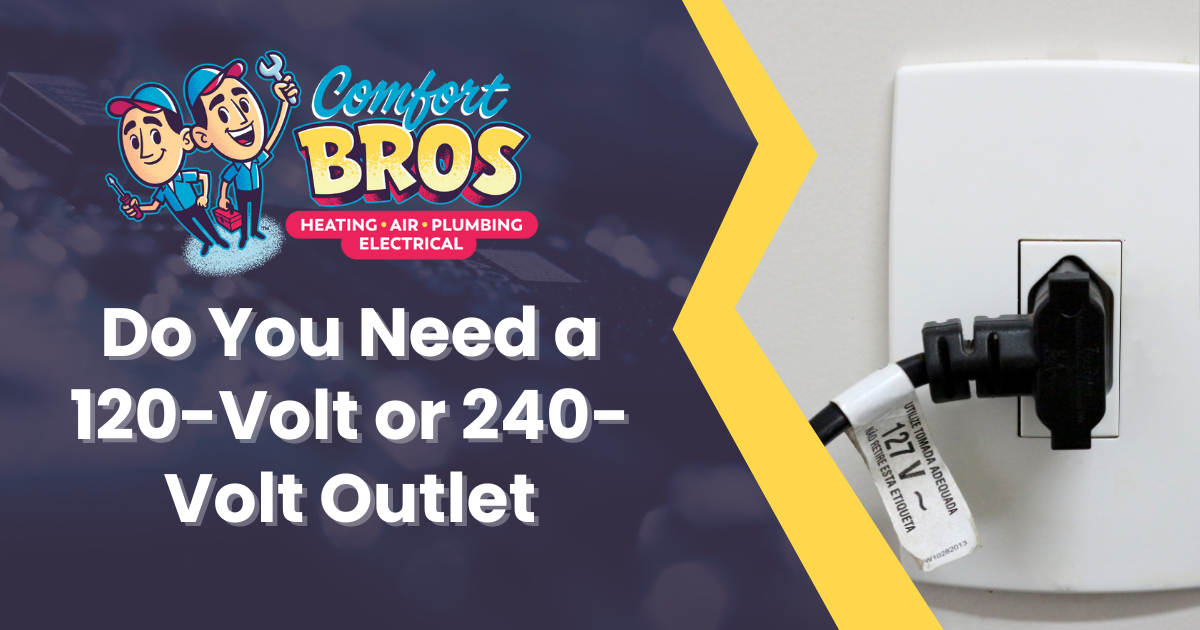
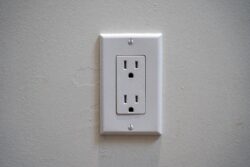
Knowing the difference between 120-volt vs. 240-volt outlets is important for home safety and power. A 120-volt outlet is the standard home outlet for plugging in devices like cellphones, fans, blenders, and other household items. Requirements for 120V outlets include 120-volt wire, a neutral wire, and in most cases, a grounding wire. Older homes may have a two-prong outlet, but most newer homes have three-prong 120-volt outlets.
A 240-volt outlet is the other outlet you’ll typically find in your home, and it’s used to plug in major appliances like washing machines and dishwashers. It has two 120-volt wires and a neutral wire. Modern 240-volt outlets have a four-prong design to include a grounding wire.
How Do I Know Whether I Need a 120V or 240V Outlet?
While 120-volt outlets provide enough power for most devices and small household appliances, you’ll need a 240-volt outlet if you want to plug in anything that needs more power. Common appliances that use a 240-volt outlet include:
- Air conditioners
- Dishwashers
- Washing machines and dryers
- Water heaters
- Electric vehicle chargers
- Some power tools
Signs You Might Need a 240-Volt Outlet Installed
Wondering whether you need a 240-volt outlet in your home? Keep an eye out for these signs that it’s time for 240V outlet installation.
New appliance purchases
If you’ve recently purchased large appliances like a dishwasher or water heater and you can’t plug it in, it’s time to call a licensed electrician for outlet installation.
Appliances struggling
If your appliances aren’t receiving enough electricity, they might struggle to provide heat or to perform properly. Check the voltage requirements for the appliance, and if they’re higher than your 120V outlet you may want to consider an outlet upgrade.
Old outlets
If you live in an older home, you may have outdated two-prong outlets. These aren’t safe to use with high-demand appliances like those found in kitchens and laundry rooms, so it’s important to install a new 240V outlet.
Can I Convert a 120V Outlet to 240V?
Yes, it’s usually possible to convert a 120-volt outlet to 240-volt, although it’s a job that should be done by a licensed electrician. Your electrician can confirm that your existing wiring is compatible with a 240V upgrade before they begin conversion. Then they’ll typically change the breaker, rewire the outlet, and add a new receptacle that’s compatible with 240V plugs.
Your Electrical Panel Determines What’s Possible
Your electrical panel, also called a breaker box, is responsible for controlling the flow of electricity through your home. Your electrical load requirements determine the maximum level of electricity that can flow to a certain circuit, and your panel will trip if there’s too much electricity in order to prevent overloads or fire risk.
Since your electrical panel determines the amount of electricity available, it also determines what outlets can be installed. A licensed electrician can assess your breaker panel capacity and talk to you about upgrading options if you need more power than is currently available.
Why DIY Outlet Installation Is Never a Good Idea
Whenever there’s electricity involved, it’s best to leave the job to a licensed electrician. Any electrical work comes with electrical safety hazards including the risk of electrocution or fire, and should only be performed by an experienced pro with the proper training. Improper outlet installation can pose a safety hazard during and after installation, and can also risk damaging your devices and appliances.
When to Call a Licensed Electrician
Thinking about changing or upgrading your outlets? Call a licensed electrician if you’re planning for any of the following electrical services:
- New outlet installation
- Broken outlet repair
- Upgrading or changing outlets from 120V to 240V
It’s also important to call a pro if you suspect that your outlet might be broken. Keep an eye out for signs of a problem outlet, including:
- Burning smells
- Scorch marks or discoloration near the outlet
- Melted plastic or damaged outlet covers
- Outlets feel warm to the touch
- Outlets that spark or make a sound when you plug in
Financing Options for Electrical Upgrades
At Comfort Bros, we believe everyone should be able to access the electrical services they need. That’s why we’ve partnered with Service Finance to help you access easy and affordable financing solutions for electrical, plumbing, and HVAC.
Service Areas We Serve in San Diego County
At Comfort Bros, we’re proud to provide great service to our neighbours in El Cajon and the greater San Diego region. Areas we serve include:
- 92020
- 92021
- 91942
- 91941
Looking for electrical support in the San Diego County area? Discover why local homeowners choose Comfort Bros for professional electrical solutions.
Schedule Your Outlet Installation or Electrical Upgrade Today
Whether you’re deciding between 120V vs. 240V outlet installation, upgrading your electrical panel, or looking for outlet repairs, Comfort Bros is your go-to solution for professional electrical work. Our team of licensed electricians is on hand with friendly service, helpful tips, and affordable solutions to all your electrical needs. Contact us today to book your next appointment and discover the Comfort Bros quality difference.
Frequently Asked Questions
Can I plug a 120v device into a 240v outlet?
No, you can’t plug 120V devices into 240V outlets. In most cases the outlet receptacle design and plug will prevent you from doing this, but it also poses a risk of electrocution, fire hazard, and severely damaging the device.
Is it dangerous to install the wrong outlet voltage?
Yes, installing the wrong outlet voltage in your home creates a risk of fire, electrocution, and home damage. If you’re considering installing a new outlet, always consult with a licensed electrician.
Do older homes in California support 240v outlets?
Yes, most older homes in California have the capacity to support 240V outlets. Although your home may not currently have these outlets installed, an electrician can usually upgrade your outlets or install new 240V outlets.